
Analog vs Digital Recording: Soundcheck Ottawa
The core difference between analog and digital recording is how sound is captured and represented. Analog records a continuous electrical waveform that mirrors the source. Digital converts that waveform into discrete samples and numbers. For bands booking rehearsal time at Soundcheck Rehearsal Studios in Ottawa, choosing between analog color and digital precision affects tone, workflow, cost, and final delivery timelines.
History and Practical Evolution of Recording Technology
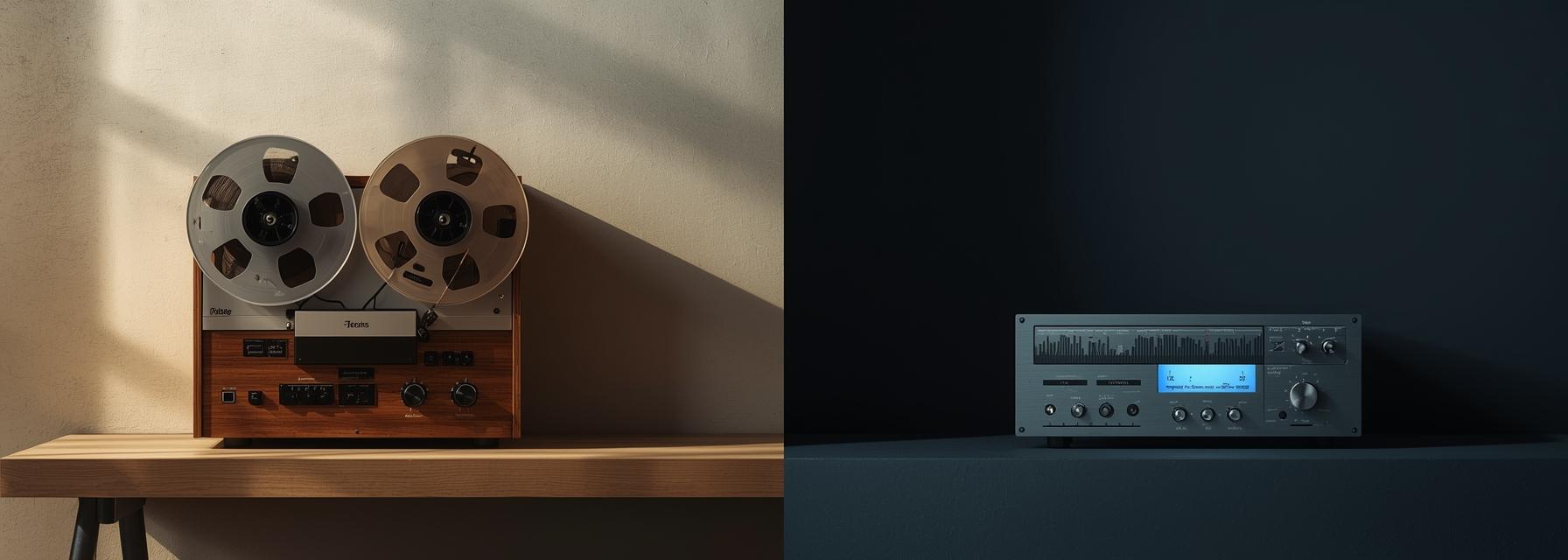
Early innovations such as mechanical playback and tube electronics set the foundation for studio signal chains used through the 1950s. The introduction of magnetic tape in the late 1940s gave studios the ability to edit, overdub, and stack performances. Multitrack recording grew rapidly with four, eight, and eventually 24-track tape machines, enabling complex arrangements and punch-in recording. By the 1990s digital audio workstations became affordable and stable, with Pro Tools, Cubase, and Logic providing nondestructive editing and near-instant recall. Recent years have seen hybrid systems where analog consoles and tape machines pair with DAWs to capture both character and convenience, a setup frequently offered during Soundcheck Ottawa rehearsal demos.
Fundamental Principles of Analog and Digital Audio
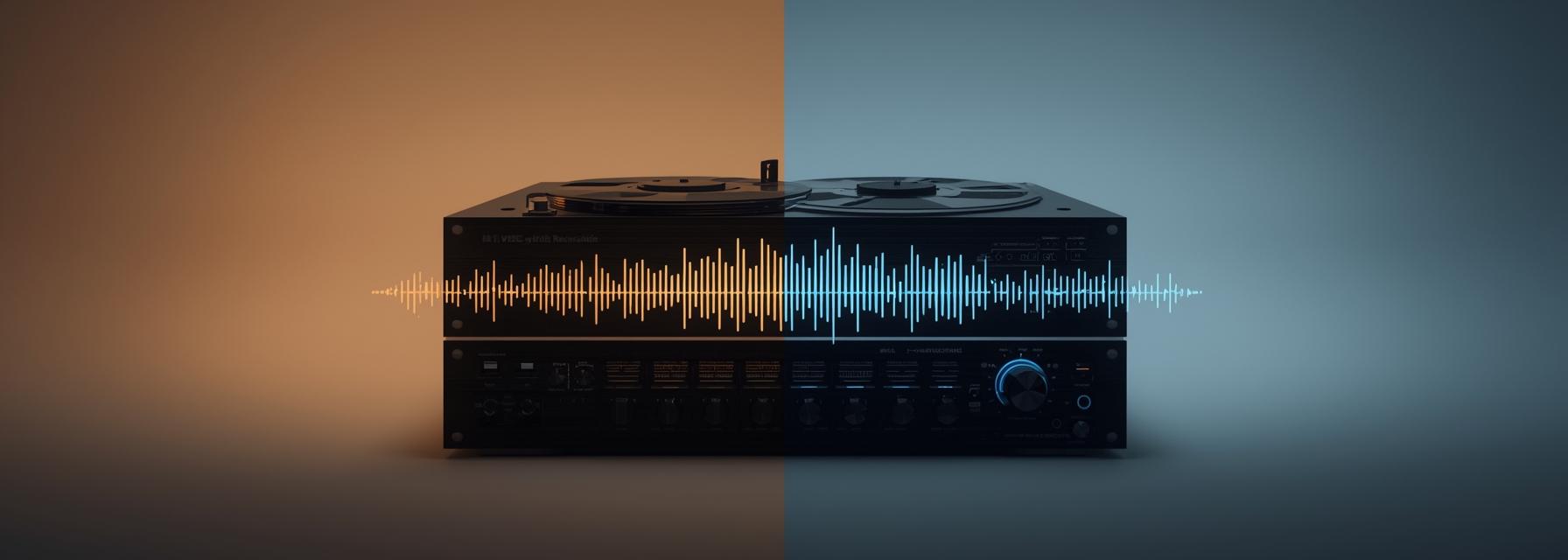
Analog signal chains preserve continuous waveform shape. Tape introduces soft clipping, harmonic generation, and subtle compression when driven. Electronic noise sources include hum from improper grounding and thermal noise from components. Analog gain staging requires careful headroom management so transformers, tubes, or silicon stages contribute pleasant coloration without unwanted distortion.
Digital audio relies on sampling theory. Sampling rate determines the highest reproducible frequency according to the Nyquist theorem. Bit depth controls dynamic range and quantization noise. Digital signal processing enables complex routing and effects but introduces latency that must be managed when tracking. Clock accuracy affects jitter, so professional studios use word clocks and locked interfaces to maintain phase coherence across devices.
Core Equipment Comparison
Choosing gear changes tone, setup time, and maintenance. The following comparison highlights typical items used in rehearsal or tracking at Soundcheck Rehearsal Studios Ottawa. Prices reflect Canadian market averages as of 2024 and practical considerations for bands choosing rental or in-house tracking.
| Component | Typical Analog Example | Typical Digital Example | Operational Notes |
|---|---|---|---|
| Microphone chain | Neumann U87 into Neve 1073 preamp | U87 into high-quality audio interface preamp | Mic choice dominates; preamp color varies |
| Console / Summing | SSL or Neve console for summing and insert workflows | DAW mixing with plugins and in-the-box summing | Consoles add tactile routing and analog summing color |
| Recorder | Studer A827 24-track tape machine; tape cost per reel ~CAD 120 | Multi-channel audio interface 32x32; SSD storage 1 TB ~CAD 120 | Tape requires calibration and storage space |
| Outboard processing | Tube compressors, Pultec equalizers | Plugin emulations and native DSP | Outboard needs power, rack space, and maintenance |
| Price range (unit) | Used 1073 preamp ~CAD 3,500; tape machine >CAD 20,000 | Interface 8-in ~CAD 1,200; DAW license ~CAD 800 | Renting options commonly offered at Soundcheck Ottawa |
After reading this comparison, bands can weigh the value of hands-on analog hardware versus cost-effective digital solutions. The table is placed in the middle of this comparison to support informed demo choices.
Sound Character and Session Workflow
Analog tends to be described as warm, saturated, and harmonically rich. Tape and tube stages add even-order harmonics and gentle compression that can make drums and vocals glue together. Digital provides clean reproduction with extended clarity and low noise floor. For rehearsal room tracking, live takes captured to tape require disciplined performance and fewer edits. In contrast, DAWs make punch-ins, comping, and corrective edits fast and nondestructive. Session recall and presets benefit engineers who need rapid turnaround between bands at busy rehearsal hubs such as Soundcheck Ottawa.
Practical Studio Considerations for Rehearsal Rooms
Physical space, ventilation, and gear footprint matter in a multi-room facility. Tape machines require a stable climate and regular calibration. Power distribution should include dedicated circuits, balanced wiring, and proper grounding to avoid hum. Portability is critical for bands that bring gear to rehearsal; compact interfaces and plugin suites reduce load. Renting analog gear per session can be more economical than purchasing, especially when factoring in maintenance. Soundcheck Rehearsal Studios Ottawa offers gear rental options and staff support to match the demands of touring acts and local projects.
- Power and grounding must be verified before integrating vintage gear to avoid damage.
- Backup strategies include redundant drives, offsite cloud copies, and verified RAID arrays for critical sessions.
- Scheduling hybrid tracking sessions allows bands to capture a live room feel and complete detailed edits later in the DAW.
Cost, Maintenance, and Creative Choices
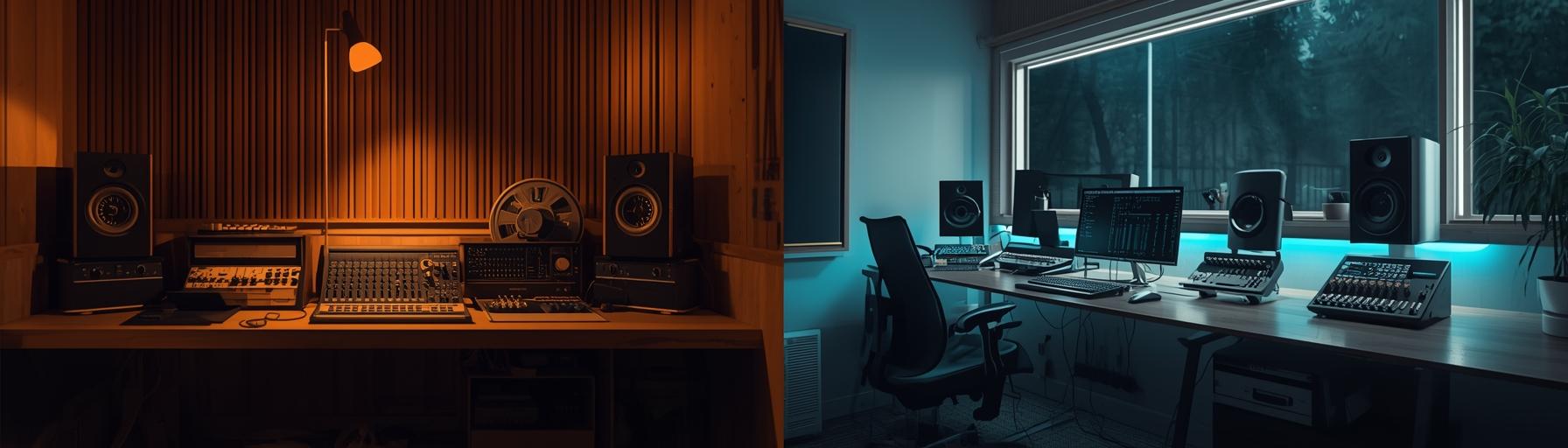
Initial purchase cost for vintage analog can be high and repairs require skilled technicians. Tape stock, heads, and transport parts add recurring expenses. Digital storage costs are comparatively low and capacity continues to increase. Resale value for sought-after vintage preamps or consoles remains strong, while cheap digital interfaces often depreciate rapidly. Artistically, some genres like indie rock and blues prefer analog artifacts; pop, EDM, and post-production often demand digital precision. Hybrid approaches combine the best of both by recording critical sources through analog chains and completing edits in a DAW.
Measurement, Techniques, and Practical Recommendations
Objective metrics like total harmonic distortion, signal-to-noise ratio, and dynamic range help compare gear objectively. Blind comparisons can reveal perceptual differences for listeners and engineers. Best practices include placing microphones to exploit room modes for warmth, managing gain staging to prevent clipping in digital domains, and using tape saturation techniques at the preamp or through reenactment plugins to emulate analog color. For bands booking with Soundcheck Ottawa, recommended setups include stereo pair room mics through analog preamps for demos, with multitrack capture routed to an interface for flexible post-production.
Implementation and Future Trends
Soundcheck Rehearsal Studios Ottawa supports hybrid workflows with rooms configured for low-latency tracking into DAWs while offering analog preamps and compressors for rental. Staffing includes technicians who maintain vintage gear and manage digital clocking systems. Future trends likely include higher-resolution formats, improved analog modeling through AI and DSP, and continued demand for boutique analog equipment. Sustainability considerations favor lower-power devices and responsible disposal of aging components.
For bands and studio managers, decision priorities should be tone, budget, and turnaround time. Testing gear during a booked demo at Soundcheck Ottawa provides the most reliable basis for long-term choices.